
5 Easy Ways to Keep Your Floors Looking Great

Here’s a practical, homeowner-focused article that covers both everyday floor care and the importance of professional maintenance.

Your floors deal with a lot of daily wear. Dirt, spills, pet hair, and foot traffic can gradually make carpets and hard-surface flooring look worn. Fortunately, a few simple maintenance habits can help protect your floors and keep them looking their best. Here are five easy ways to care for the floors throughout your home.

1. Sweep and Vacuum Regularly

Dirt and grit can act like sandpaper against flooring when people walk across it. Regular sweeping or vacuuming helps remove these particles before they can cause scratches or wear.

Vacuum carpeted areas regularly, especially in entryways and other high-traffic areas. Use a vacuum designed for your type of flooring and follow the manufacturer’s recommendations for settings and attachments.

2. Clean Spills Right Away

Spills are easier to clean when they are fresh. Whether you have carpet, hardwood, tile, laminate, or vinyl flooring, address spills as soon as possible. Allowing liquids to sit can lead to staining, odors, or damage.

For carpet, blot the spill rather than rubbing it. Rubbing can push the substance deeper into the fibers and make the affected area harder to clean.

3. Use Entry Mats and Remove Shoes

A significant amount of dirt enters a home on the bottoms of shoes. Place mats at exterior doors to catch dirt and moisture before they reach your floors. You can also establish a no-shoes policy inside your home.

Keeping mats clean is important as well. A dirty mat can eventually become a source of the very debris you are trying to keep off your floors.

4. Protect Floors From Furniture

Furniture can scratch hard flooring or leave indentations in carpet. Place protective pads under the legs of chairs, tables, sofas, and other heavy furniture. Check the pads periodically to make sure they remain in place and are not collecting grit underneath them.

When moving furniture, lift it when possible rather than dragging it across the floor.

5. Schedule Regular Professional Carpet Cleaning
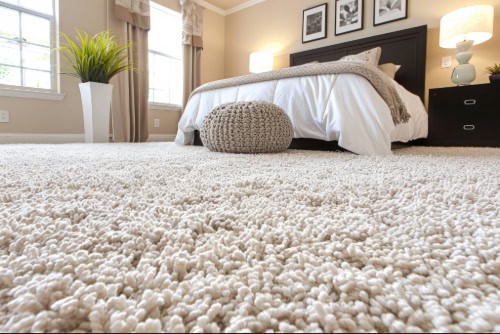
A bedroom with a white carpet and a white bedRegular professional carpet cleaning is an important part of maintaining carpet. Vacuuming removes surface debris, but professional equipment can remove dirt and other particles that have worked deeper into the carpet fibers.

How often you need professional cleaning depends on factors such as household traffic, pets, children, and the type of carpet. Many homeowners benefit from scheduling a professional cleaning at least once a year, while high-traffic homes may need service more frequently.

Professional cleaning can also help address spots and stains that do not respond to normal household cleaning methods. Always follow the carpet manufacturer’s care recommendations and discuss any concerns with the cleaning professional before service.

With regular cleaning, prompt attention to spills, and a few preventive measures, you can reduce everyday wear and help your floors stay in good condition for years to come.

7 Questions to Ask When Hiring an Electrical Contractor

Electrical work is one of the most important aspects of any home or commercial building project. Whether you are installing new wiring, upgrading an electrical panel, or planning a major renovation, choosing the right electrical contractor can make a significant difference in the quality and safety of the work. Before signing a contract, it is important to ask the right questions to ensure you are hiring a qualified professional.

Are You Licensed and Insured?

One of the first questions you should ask is whether the contractor is properly licensed and insured. Licensing requirements vary by state and municipality, but a valid license demonstrates that the contractor has met the necessary qualifications to perform electrical work.

Insurance is equally important. A contractor should carry both liability insurance and workers’ compensation coverage. This helps protect you from potential financial responsibility if an accident or property damage occurs during the project.

How Much Experience Do You Have?

Experience matters when it comes to electrical systems. Ask how long the contractor has been in business and whether they have handled projects similar to yours. A contractor who regularly works on residential homes may have different expertise than one who primarily handles commercial buildings.

Understanding their experience can help you determine whether they are a good fit for your specific project.

Can You Provide References?

Reputable contractors should be willing to provide references from previous clients. Speaking with past customers can give you insight into the contractor’s professionalism, communication skills, and quality of work.

You can also check online reviews and ratings to learn more about the experiences of other homeowners and business owners.

Will You Provide a Written Estimate?

A written estimate helps prevent misunderstandings and allows you to compare bids from multiple contractors. Ask for a detailed breakdown of labor, materials, permits, and any potential additional costs.

The lowest bid is not always the best option. Consider the contractor’s experience, reputation, and the scope of work included in the estimate.

Who Will Be Performing the Work?

Some contractors complete all work themselves, while others use employees or subcontractors. Ask who will actually be working on your project and whether they are properly trained and qualified.

Knowing who will be on-site can help ensure accountability throughout the project.

Will Permits and Inspections Be Required?

Many electrical projects require permits and inspections to ensure compliance with local building codes. Ask whether permits are necessary and who will be responsible for obtaining them.

A professional contractor should be familiar with local regulations and willing to handle the permitting process when required.

What Is the Project Timeline?

Before work begins, discuss the expected timeline. Ask when the project can start, how long it should take, and whether there are factors that could cause delays.

Clear expectations regarding scheduling can help avoid frustration and keep the project moving smoothly.

Handyman walking to house for home repair service visit.

Hiring an electrical contractor is an important decision that affects the safety, functionality, and value of your property. By asking detailed questions about licensing, experience, references, estimates, permits, and timelines, you can make an informed choice. Taking the time to evaluate contractors carefully can help ensure your project is completed safely, professionally, and according to code.

5 Home Exterior Maintenance Tips

Keeping a home in good condition takes consistent effort. When exterior maintenance is ignored, small issues can turn into major problems that affect furnaces, attics, sewer systems, paint, and even lead to water damage inside the home. Staying on top of outdoor upkeep not only protects curb appeal, but it can also prevent costly interior repairs. While exterior work may feel overwhelming, following a simple maintenance routine makes it manageable.

Maintain Your Siding

Siding plays a major role in both protection and appearance. When it is left uncleaned for long periods, dirt and mildew build up, reducing the home’s value and overall look. Cleaning siding is straightforward. In most cases, a bucket of soapy water and a soft-bristle brush will do the job, regardless of the material. A ladder can help you safely reach higher sections.

Most experts recommend cleaning siding at least twice a year. During cleaning, inspect for cracks, loose panels, or gaps. Damaged siding leaves the structure vulnerable to moisture and insects. Water can seep into cracks, leading to rot and hidden wall damage. Addressing small repairs early will help to prolong the life of your siding and prevent the need for new siding installation.


Clean Gutters on a Schedule

Gutters are critical for directing water away from your home. When clogged with leaves and debris, they can overflow and cause water to pool near the foundation or back up onto the roof. This increases the risk of roof damage, leaks, and foundation problems.

Inspect and clean gutters at least twice a year, typically in the spring and fall. While cleaning, check that downspouts are diverting water several feet away from the house. Look for leaks at seams or sagging sections that may need tightening or replacement. Routine gutter maintenance is one of the simplest ways to prevent expensive water damage repairs.

Pressure Wash Pathways and Patios

Concrete, brick, and stone surfaces naturally wear down over time due to temperature changes and shifting soil. Dirt, algae, and mildew can also make patios and walkways slippery and unattractive.

Pressure washing these surfaces periodically helps maintain their condition and appearance. It removes buildup that can contribute to deterioration and helps you spot cracks or uneven areas early. Regular cleaning reduces long-term repair costs and keeps outdoor areas safer for everyday use.

Inspect and Maintain the Roof

The roof protects the entire structure from weather exposure. Poor maintenance can lead to leaks that damage insulation, ceilings, and framing. Inspect your roof at least twice a year for missing shingles, damaged flashing, or debris buildup.

Remove dirt, moss, and branches that can trap moisture and shorten the roof’s lifespan. Addressing minor issues promptly can prevent larger, more expensive repairs in the future.

Check the Foundation

Foundation cracks can lower property value and lead to structural concerns if ignored. Inspect the foundation carefully at least twice a year. Small cracks may seem minor, but they can expand over time and allow moisture intrusion.

Sealing minor cracks early and monitoring changes helps prevent more serious damage. Consistent exterior maintenance protects your investment and keeps your home structurally sound for years to come.

ATR092926

4 Essential Upgrades to Maintain Your Home’s Value

Owning a home is one of the biggest investments most people make, and keeping it in good condition is key to preserving its value. Over time, wear and tear, outdated systems, and changing buyer expectations can all impact your home’s worth. Fortunately, a few smart upgrades can help maintain — and even increase — your property value. Here are some essential improvements every homeowner should consider.


Refresh the Kitchen and Bathrooms

Kitchens and bathrooms are among the first areas buyers notice. You don’t need a full remodel to make an impact — even small updates can go a long way. Replacing outdated fixtures, adding energy-efficient appliances, or refinishing cabinets can modernize the look without breaking the bank.

In bathrooms, consider replacing old faucets, regrouting tile, or adding new lighting. A fresh coat of paint and updated hardware can make these spaces feel clean, functional, and inviting.


Prioritize Energy Efficiency

Energy efficiency is one of the most practical ways to maintain home value. Buyers today look for homes that are comfortable and cost-effective to operate. Start with simple upgrades like sealing air leaks, adding insulation, or replacing old windows with double-pane models.

Installing a programmable thermostat or energy-efficient HVAC system can also improve comfort while lowering utility bills. These improvements not only make your home more appealing but can also lead to long-term savings.


Upgrade Your Electrical Panel

An often-overlooked improvement that can significantly impact your home’s safety and value is an electrical panel upgrade. Older panels may not be equipped to handle the power demands of modern appliances, home offices, and smart technology. If your home still relies on an outdated panel or has frequently tripping breakers, it might be time for an upgrade.

A new electrical panel ensures your home’s wiring can safely deliver power where it’s needed. It also supports the addition of high-demand features like EV chargers, central air systems, or new kitchen appliances. Beyond safety and functionality, a modern electrical system is an appealing selling point for potential buyers who want a move-in-ready home.

Always hire a licensed electrician to perform this type of work. A professional can assess your home’s current electrical capacity and make recommendations that meet both code requirements and your household’s needs.


Keep Up with Exterior Maintenance

Curb appeal matters just as much as interior upgrades. Regularly maintaining your home’s siding, roof, and gutters helps prevent costly damage and keeps your property looking its best. Power washing, repainting, and landscaping can refresh your home’s appearance and make a strong first impression.


Plan for Long-Term Value

Home maintenance doesn’t have to happen all at once. Create a yearly checklist and budget for updates that make the biggest impact over time. By focusing on practical improvements — from energy efficiency to electrical safety — you can protect your investment and keep your home’s value strong for years to come.

ATR071026

Log Home Maintenance FAQs

Owning a log home comes with its own set of maintenance needs that differ from conventional homes. While the beauty and character of a log home are unmatched, keeping it in good condition requires regular attention. Below are some frequently asked questions we hear from homeowners about log home maintenance at Tuts Log Home Restoration.


1. How often should I inspect my log home?

We recommend doing a full inspection at least once a year—spring or fall is ideal. Look for signs of water damage, mold, insect activity, and checking for cracks in the logs. Pay close attention to areas around windows, doors, and rooflines where moisture tends to collect. Early detection can save you from bigger repairs later on.


2. How do I protect my log home from water damage?

Water is one of the biggest threats to a log home. Make sure your gutters and downspouts are in good working order and direct water away from the foundation. Keep vegetation trimmed back from the home’s exterior and ensure your finish or stain has adequate water repellency. Re-coating your logs with the proper stain or sealant every 3–5 years (or as needed) is one of the best ways to protect the wood.


3. What type of stain or sealant should I use?

Use products specifically made for log homes. These stains are designed to expand and contract with the wood and provide protection against moisture and UV rays. Avoid using standard house paints—they can trap moisture and cause the logs to rot from the inside out. Always follow the manufacturer’s instructions for surface prep and application.


4. Are insects a serious concern for log homes?

Yes, certain insects like carpenter bees, termites, and wood-boring beetles can be an issue. Keeping your logs dry is key, as moisture attracts pests. During your annual inspection, look for small holes or sawdust trails. If you see signs of insect activity, contact a professional who understands log home structures.


5. What’s the best way to clean the exterior of my log home?

Use a low-pressure wash or soft brushing method with a gentle wood cleaner. Avoid high-pressure washing, which can damage the wood fibers. Cleaning your home every couple of years helps prevent mildew and keeps the surface in good condition for re-staining.


6. Do log homes settle over time?

Yes, all log homes experience some degree of settling and shrinkage. Most of this happens within the first few years, but it can continue at a slower pace. A well-built log home will include design features to account for this movement. Regular maintenance, like adjusting windows and doors or tightening through-bolts, helps accommodate settling without issue.


Final Thought
Staying on top of routine maintenance will extend the life of your log home and keep it looking its best. If you’re unsure about a repair or inspection, it’s always wise to consult with a contractor who specializes in log homes. With proper care, your log home can remain a safe, comfortable place for generations.

Will Routine Cleaning Damage My Carpet?

Routine cleaning is essential for maintaining a clean and healthy home, but many homeowners worry that frequent cleaning might harm their carpets. This concern often stems from misconceptions about cleaning methods and their impact on carpet fibers. Let’s clear up the confusion and explore how proper care can actually extend the life of your carpets.

Does Routine Cleaning Harm Carpets?

The short answer is no—routine cleaning does not damage carpets when done correctly. Neglecting regular maintenance can cause far more harm. Dirt, dust, and debris act like tiny abrasives, wearing down carpet fibers over time. Vacuuming weekly and addressing spills promptly are simple ways to protect your investment.

However, over-wetting carpets, using the wrong cleaning products, or relying on improper techniques can lead to issues like mold growth, discoloration, or fiber damage. That’s why it’s crucial to follow manufacturer recommendations and consult with professionals when necessary.

Why Regular Deep Cleaning Matters

While routine vacuuming is important, it doesn’t remove deeply embedded dirt, allergens, or residues that can accumulate over time. This is where professional carpet cleaning comes in. Expert cleaning methods, such as hot water extraction, are designed to thoroughly clean carpets without causing damage.

A West Chester, PA carpet cleaning service recommends having your carpets cleaned twice a year to maintain their appearance and longevity. This schedule helps eliminate allergens, refresh fibers, and prevent the buildup of harmful substances that can degrade carpet quality.

How to Clean Carpets Safely at Home

For routine maintenance, use a vacuum with strong suction and a brush roll suitable for your carpet type. Avoid using cleaning agents that leave behind sticky residues, as these can attract more dirt. If you’re tackling a specific stain, test any cleaning solution on a hidden area first to ensure it doesn’t cause discoloration.

If you choose to rent a carpet cleaning machine, follow the instructions carefully and avoid over-saturating your carpets. Excessive moisture can weaken the backing of your carpet and lead to unpleasant odors.

White carpet undergoing steam cleaning by a professional cleaner. Effective dirt removal and sanitation. Concept of domestic hygiene, professional carpet cleaning, freshness, and allergen reduction.

When to Call the Professionals

Even with diligent care, some tasks are best left to the experts. Professional carpet cleaners have the tools, knowledge, and experience to handle tough stains, high-traffic areas, and specialty carpet materials. Their methods ensure a deep clean while preserving the integrity of your carpets.

In summary, routine cleaning is not only safe for your carpets but also essential for maintaining their condition and extending their lifespan. By combining regular vacuuming with professional carpet cleaning services twice a year, you can keep your carpets looking and feeling their best for years to come.

Improve the Appearance of Your Business Exterior and Increase Sales

Running a successful business involves several factors, including quality sales. While marketing campaigns are essential, the exterior appearance of your business is equally important. Often, business owners focus on other aspects and neglect curb appeal, which can significantly impact sales. Here are some effective ways to enhance your business’s exterior and attract more customers.

Understanding Curb Appeal

Curb appeal refers to the attractiveness of your business when viewed from a distance. This includes neat fences, well-kept hedges, and fresh paint, all of which contribute to an inviting appearance.

How to Improve Your Business’s Curb Appeal

Enhancing your business’s exterior doesn’t have to be expensive. It can be one of the most cost-effective ways to boost sales. Customers are naturally drawn to a clean, well-maintained environment. Even if you have many competitors nearby, a visually appealing exterior can make a significant difference. Here’s how to achieve that:

Remove Dirt and Debris

Dirt and debris can quickly accumulate, making your property look uninviting. Regularly identifying and removing these elements is crucial. Customers are less likely to visit an untidy business, which can negatively impact your sales. Key elements to address include:

  • Weedy grounds
  • Weathered fences
  • Fallen leaves
  • Cracked concrete

Clearing these elements is straightforward and can be done within a few hours or scheduled over a few days. Picking up trash, repainting fences, and pulling out weeds can greatly enhance your business’s appearance, attracting more customers and boosting sales.

Add Life to the Space

A lively, vibrant exterior is essential for curb appeal. Both the front and back areas of your business should be eye-catching. Consider maintaining a green lawn and adding colorful flower beds to create an inviting atmosphere that draws attention from afar.

Clean Exterior Surfaces

Dirt and grime on roofs, windows, and driveways can make your business look older and less appealing. Regular pressure washing and window cleaning can keep your building looking fresh and inviting. These are the most visible areas that customers notice from a distance, so keeping them clean is crucial.

Summary

After making these improvements, evaluate the before-and-after differences in your business’s exterior. Ask yourself if the space looks more inviting and charming than before. If you’re unsatisfied with the results, continue refining until you achieve a cozy and welcoming exterior. Enhancing your business’s curb appeal can significantly impact customer attraction and sales, making it a worthwhile investment.

ATR102026

Lighting Suggestions to Enhance Your Home Design

Lighting is crucial in creating the right ambiance and atmosphere in any living space. It can transform a dull room into a vibrant and inviting space. Whether you’re looking to enhance your home’s interior design or improve the functionality of specific areas, strategic lighting choices can make a significant difference. From selecting the right fixtures to considering various lighting techniques, these tips will assist you in creating a warm, welcoming, and visually appealing environment.

  1. Layered Lighting for Depth and Flexibility

One effective lighting technique is to incorporate layers of light throughout your home. Combining ambient, task, and accent lighting can create depth and flexibility in your design. Ambient lighting, such as overhead fixtures or recessed lights, provides general illumination for the entire room. Task lighting, like desk lamps or under-cabinet lights, focuses on specific functional areas, such as reading nooks or kitchen countertops. Accent lighting highlights architectural features or artwork, such as wall sconces or track lights. Layering these different lighting types achieves a well-balanced and versatile lighting scheme that caters to various needs and moods.

  1. Utilizing Natural Light

Remember to consider the power of natural light in enhancing your home’s design. Maximizing the amount of natural light can create a refreshing and inviting atmosphere. Strategically place mirrors near windows to reflect and distribute natural light throughout the room. Consider using sheer curtains or blinds that allow light to filter in while maintaining privacy. Keep windows clean and unobstructed to optimize the amount of sunlight entering your home. Natural light can make your space feel brighter, more spacious, and visually appealing.

  1. Statement Fixtures as Focal Points

Adding striking light fixtures can be eye-catching focal points in your home design. Elegant chandeliers or modern pendant lights can instantly elevate the aesthetic appeal of any room. Choose fixtures that complement the overall style and theme of your space. Whether you opt for a bold, contemporary piece or a classic, timeless design, statement fixtures add a touch of personality and charm. Install them in areas that draw attention, such as above dining tables or entryways, to make a lasting impression.

  1. Dimmers for Versatility

Incorporating dimmer switches throughout your home allows you to adjust the lighting intensity according to your needs and preferences. Dimmers offer versatility, enabling you to create different moods and atmospheres. Lower the lights for a cozy and intimate ambiance during movie nights or raise them for a well-lit space during gatherings or parties. By installing dimmer switches, you gain control over the brightness levels, adding flexibility and functionality to your lighting design.

  1. Highlighting Architectural Features

To enhance the visual appeal of your home, use lighting to highlight architectural features. Accent lighting can draw attention to these unique elements, whether you have a beautiful fireplace, exposed brick walls, or intricate molding. Install spotlights or track lights to illuminate specific areas and create a focal point. The strategic placement of lighting fixtures can bring out the texture, depth, and character of your home’s architectural features, adding a layer of visual interest to your design.

Lighting is a powerful tool in home design that can significantly enhance your space’s overall look and feel. You can create a visually appealing and inviting environment by incorporating layered lighting, utilizing natural light, adding statement fixtures, incorporating dimmers, and highlighting architectural features. Consider these lighting suggestions as you transform your home into a stylish and welcoming haven. Consult with a Eugene electrician to ensure that your lighting is installed properly. 

10 Common Air Conditioner Issues and Easy Solutions

It seems air conditioner problems happen when you need them the most. However, some issues are easy to fix without having to call a repair service. Learn 10 common air conditioner problems and how to fix them.

  1. Unit Not Turning On

If the unit isn’t coming on at all, ensure the breaker hasn’t tripped. Open the electrical panel in your house and flip the breakers to their correct position. For window units, check that the cord is not damaged and pushed all the way into the outlet. Try to plug the window unit into another outlet.

  1. Malfunctioned Thermostat

A malfunctioning thermostat on a central air unit can prevent the unit from working properly. Test the thermostat for current, and check for wire damage. If the display is blank, change the batteries. Sometimes, too much sunlight or an unbalanced thermostat can cause the sensors to register room temperature incorrectly.

  1. Air Conditioner Not Cooling or Blowing Hot Air

Try setting the thermostat to a lower temperature and changing filters. When filters get dirty, they block air coming through the unit. Remove debris and leaves around the outside unit to keep it clear of obstructions.

  1. Coolant Leaks

When the coolant gets low, you may hear hissing sounds from the unit indoors, or the unit won’t cool correctly. Inspect the outside of the unit for coolant leaks. If the unit leaks coolant, only a professional HVAC technician can change it.

  1. The Unit Runs Constantly

A temperature set on “manual” could cause the unit to run constantly, so switch it to “auto cool”. It may also mean some parts are not the correct size for your unit. Other causes of a constantly running AC unit include a frozen or dirty evaporator coil or a restrictive filter.

  1. Vibrating Window AC

A vibrating window AC commonly means incorrect installation or imbalance. Consult your manual to ensure you followed all of the installation steps.

  1. Warm Air Leaks

If you feel warm air around the window unit, inspect the seals around the window and install insulation panels. A modern window unit typically comes with insulation panels.

  1. Worn Capacitors

The fan can’t run without a signal from the capacitor, and a clicking noise is a common sign of a problem. An HVAC technician will commonly need to replace this part.

  1. Full Drain Pans

An HVAC drain can get blocked with debris, such as the filters. Not emptying the drain pan could cause water backup, leading to leaks inside walls and ceilings.

  1. Uneven Cooling

If some rooms feel cooler than others, check for obstructions in front of vents or over registers. Clean air registers and vents with a vacuum every few weeks or as needed to keep air flowing.

Simple DIY repairs can save you money. Get your unit inspected annually by an HVAC tech to keep your unit running properly.  Consult with your local air conditioning repair service. 

ATR011526

5 Tips for Waterproofing Your Basement


Your basement is something that most people take for granted. They think it’s a dry, safe place to store their belongings rather than worry about the water damage they may get from flooding. However, it is best to take care of any moisture issues in your basement due to its essential function and precious value. This article will help you learn more about problems in storing items that proper work can deal with. Along with using these tips, you will also be provided with an infographic detailing how to waterproof your basement, so interested readers might also be able to find some helpful information.

5 Tips for Waterproofing Your Basement

1. Drain it

First of all, you need to drain the basement floor. By doing so, any water or moisture buildup will be significantly reduced. You can also get rid of standing water by covering them with a bucket and a tarp.

Just make sure that the water does not come back up. Or you can choose to use the existing drainage system in your basement.

2. Cover it

You can use several materials to cover the entire floor for your waterproofing and vapor barrier installation project. You can use a rolled-out synthetic material, heavy-duty aluminum foil, or even bubble wrap. You must double-check to ensure your waterproofing material will not release any vapors. Also, ensure you are comfortable with the price and warranty if any issues arise.

3. Exclude it

Sometimes, the things stored in your basement may have volatile compounds. If this is true for your basement, you need to take additional measures to keep those compounds from entering your living area’s air. The best method is to cover the basement with a plastic sheet.

4. Seal it

You can use a wire mesh with a plastic insert to develop a tight seal between the insulation and the metal wall studs in your basement. It will eliminate trapped air and prevent moisture from getting through cracks or holes. Also, get a warranty for your product before installing it if you don’t wish to deal with issues that may arise during installation.

5. Keep it

Lastly, you must maintain your basement’s waterproofing and vapor barrier by regularly checking its integrity. It includes checking the joints and seams of materials such as sealants, tape, and adhesives to ensure they are still holding up.

With these tips, you will be able to waterproof your basement easily. And in addition to this, you will also be able to use the infographic provided above. This will also provide you with more information about the various materials for waterproofing your basement to help you choose the best one for your situation.

ATR031825


What Type of Flooring is Best for Energy Efficiency?

Most people don’t enjoy opening up their monthly electric bill to find a higher-than-normal surprise. That’s why the importance of energy efficiency is paramount to cutting costs on usage…and beneficial for the planet too!

Even though there’s been great progress in doing this with the use of energy-efficient appliances, lighting, and insulation, did you know that flooring can be an asset in creating a more energy-efficient home?

Here are five examples of flooring that can cut down energy costs:

Radiant Heat Floors

Radiant heat is made using electric coils or water-filled tubes. These systems allow floors to be heated from the inside out through infrared transfer. It’s more efficient than regular baseboard heating and usually forced-air heating. It’s also great for people with allergies because it doesn’t distribute allergens as typical HVAC systems do.

The possibilities for these floors are endless, allowing you to use many types of tile, laminate, vinyl, and even wood. You don’t have to sacrifice style for efficiency.

Natural Stone

Eco-friendly and sturdy, natural stone floors are great for energy costs. It absorbs heat during the daylight hours and slowly distributes it at night. During the summer months, these floors are wonderful at keeping your home cool without needing extra help from the A/C unit.

Tile

Much like stone, tile is eco-friendly, sturdy, and great for keeping your home cool during the summer. However, tile takes this a step further by being able to be used with radiant heat. These two things team up to keep your home cooler during the summer and warmer during the winter.

Wood Floors

Wood is a natural insulator. Its cellular structure means that it contains air pockets that absorb heat and prevent heat penetration into your home. This allows the home to stay warmer in the winter months and cooler in the summer months. However, to get the best benefit from this material, you should ask a professional about the right kinds of wood for your climate.

Carpet

The tried and true staple of many homes, this material has a low thermal conductivity, which means that it insulates heat and stores it. This keeps rooms warm and toasty. Carpeting is wonderful for downstairs areas where heat tends to escape during the winter. With today’s modern carpet cleaners, maintenance is a breeze! 

Though flooring may not be your first thought when it comes to energy efficiency, it is a crucial one. The perfect, energy-efficient floors can reduce energy costs, making that electric bill much lower and your wallet a lot fuller.

ATR011526

Tips for Choosing New Carpet For Your Home


Choosing a new carpet for your home can be a quick, easy, and relatively inexpensive way to give your rooms a facelift. If you have watched TV with any regularity over the last 20 years, you know that you can have a new carpet installed in your home within 24 hours, whether or not you even have the cash for it. While it is not recommended that you go into debt or jeopardize your financial future with home improvements, a new carpet is still a great way to improve the quality of life in your home and enhance the appearance and comfort of your surroundings.

Warning: weekend warriors and DIYers will want to steer clear here. Carpet installation should always be done by professionals. It is more than worth the installation fee to save yourself the stress and learning curve of trying to install carpet yourself. Read on for some tips for making a new carpet installation a successful home improvement investment for you and your family.


Location


Chances are, the carpet in your home has been collecting dust, dirt, and anything stuck to the bottom of your family’s and pets’ feet for the last several years. There may be areas in your home where it is more urgent than others to pull out that worn carpet and replace it with something fresh and clean. Bedrooms often tend to get neglected when it comes to dusting and vacuuming, so consider prioritizing these rooms for the sake of reducing allergens and making the space more breathable and healthy for those you love. Living rooms and family rooms are also excellent places to keep your carpet looking fresh and new, as that is where families tend together for quality time, and you are most likely to be sharing these rooms with guests. Avoid putting carpets in high-traffic entryways, bathrooms, kitchens, and even dining rooms, as carpets are likely to get damaged beyond repair very quickly in these areas.

You might even be able to avoid the cost of replacing your carpet by using professional carpet cleaners. A professional carpet deep cleaning sometimes solves the entire problem!

Color

The color of your carpet may have a higher impact on the feel of your home than any other surface. Although it may be counterintuitive, choose a light-colored carpet to reduce the visibility of dust, lint, hair, and other common debris. Darker carpets show these things much more visibly, and you would need to vacuum them just about every day. A white carpet will look beautiful if you can keep it clean, but these do tend to stain easily, so you may want to reserve white carpeting for lower traffic areas, such as bedrooms, where you can encourage family members to remove their shoes before entering.

Vendor

Although supporting a small business is one of the best choices that concerned citizens can make for a healthy economy, it may be best to stick with well-established, larger vendors for carpet installation. These companies have vast experience and a depth of resources to draw upon to make sure that you get a quality product and perfect installation in your home, which will save you the hassle of having to wait for service if you have complaints about the results.


Remember, an investment in your home is an investment in the well-being and happiness of your family. Don’t hesitate to spend your resources wisely on taking care of your home with a new carpet that will refresh your house and the way you live in it.

Improve Your Lawn: 5 Reasons to Consider a Professional Lawn Care Service


If you’re tired of maintaining your lawn yourself, or you just want it to look it’s best, you might benefit from hiring a professional. Enhancing the appearance of your home can be simple when you let someone else do the work. Consider these reasons to hire a professional lawn care service.

Avoid Hard Work


Taking care of your own lawn can be harder work than it’s worth. For one, you risk getting sunburned which will likely affect your skin later on. Not to mention the feeling of intense heat emanating from the bright sunshine. Another issue you can look forward to is being pestered by biting insects. Rather than put yourself through unnecessary torture, a professional lawn mowing service can come to your aid.


Use Your Time Wisely


Giving your lawn a manicure can be a waste of your own time. After all, it’s not your job to mow lawns and pull weeds. Luckily, some people do have this job and have all of the qualifications to get things done. This way, you can spend your time doing something you actually enjoy doing. Whether you choose to relax and read a book or eat a healthy breakfast, you have a choice.


Prevent Future Problems


When you don’t manicure your lawn properly, you might notice more weeds begin to pop up. Not only does this make a house appear messy, but weeds often attract unwanted pests. You can prevent this problem from destroying your yard by hiring someone to help you. Forget about the frustration of up keeping your lawn, so you can focus on living in the moment.


Knowledge and Expertise


Although taking care of a lawn may seem simple, you might find yourself facing a complex issue you’re not quite sure how to handle. You could buy books to educate yourself about lawn maintenance and the environment or ask an expert to take care of it. A professional likely has years of experience and knowledge in their field that can benefit you in many ways.


Add Curb Appeal


Whether you’re thinking of selling your home or just want to give it an upgrade, a healthy lawn adds curb appeal. It also contributes to the overall appearance of your house. For instance, family and friends are more likely to visit if they can spend time in a positive household. Further, you can feel genuine pride in knowing you care about your home.


Keeping your lawn neat and tidy is important to maintain its health and your family’s happiness. You deserve to have a home that looks beautiful without making more effort than necessary. Imagine how much your life can improve when you have a healthy lawn and peace of mind.

What steps should I take if my neighbor disputes my property line?

One of the most common issues that arises among neighboring landowners is determining where the property line falls. For years, people across the country have found themselves in disputes over a range of plots, from an acre of land to just a few feet of yard. But, depending on where you live, most of these disputes are typically settled quite easily, especially if both parties are in a cooperative mood. But if you find yourself in a situation where a neighbor is disputing your land’s property line, here are the steps you should take.

https://youtu.be/FgJ8oX5alSo


Be polite and remain civil.


The fact that your neighbor is, essentially, saying that you might be encroaching on property, that indicates that he/she is already in a confrontational mood. Responding with anger or contempt will only escalate the situation, and a cool head will help to resolve the issue much more quickly.

Familiarize yourself with the laws.


Each state has different property line laws, and certain cities will have their own specific legislation for property lines. Familiarizing yourself with the laws will allow you to better understand your specific situation and what you need to do to handle it.

Try reasoning with your neighbor.


Hiring surveyors and getting different authorities involved to solve this problem could take a long time and might exacerbate the situation. If at all possible, try reasoning with your neighbor to reach some sort of an agreement. After determining the details of the property line with your neighbor, you can work with an attorney to sign a deed to detail the specific perimeters of the land. This is the quickest way to settle the dispute and can help you save time and possibly money.

Hire a surveyor.


Another relatively quick way to resolve the issue is to hire a surveyor. A surveyor’s primary job is to determine the boundaries of any property by making exact measurements. Hiring one, unfortunately, won’t be cheap, but it is one way to get documentation and establish the actual property lines between you and your neighbor’s land. 

Hire a mediator.


A less expensive method is to hire a mediator. You can hire a mediator from different places, such as the police station, local courthouse, or local bar association. This will provide a third party that is neutral to help you and your neighbor find a middle groundregardingo the issue.

File a lawsuit.


One of the more confrontational responses you could have is to file a lawsuit. This is an extremely expensive and time-consuming method that should only be considered when all other options have been exhausted.

DIY Projects for Adding Property Value to Your Home

Although construction materials, fixtures, and other components for some DIY projects like kitchen and bathroom remodels, new additions, or garages can cost several thousand dollars to tens of thousands. There are some inexpensive DIY projects you can do to increase the property value of your home while adding curb appeal at the same time.

Most homeowners procrastinate about home improvement projects because either they doubt their abilities or they simply can’t afford to hire professional contractors; therefore, in most cases, their homes go neglected and eventually become an eyesore and undesirable in the real estate marketplace.

Are you someone with a DIY attitude and drive to accomplish easy home improvement projects that work within a reasonable budget? You can use the list of three simple and inexpensive DIY projects below to increase the property value of your home while making your neighbors envious.

3 Inexpensive DIY Home Improvement Projects

  1. Exterior Painting

Painting the exterior of your home can add several thousand dollars to your property value. According to a report published by Zillow in 2018, painting your front door black can add $6,000 or more to your home’s property value. Depending on the condition of your exterior, more prep work may be required; however, the materials can be purchased for well under $1,000.

Painting the exterior of your home may require extension ladders or scaffolding. If you don’t own the equipment to reach certain heights, both can be rented at reasonable rates from your local equipment rental provider.

  1. Interior Painting

Interior painting is a lot easier than exterior painting because most areas can be reached with a small step ladder. On the flip side of the coin, more care needs to be considered to protect furnishings and flooring, as well as to move stuff out of the way.

The good news, painting your interior walls, trim, windows, and doors isn’t that hard, and it also adds significant property and resale value to your home. The cost of materials to repaint the interior of an entire house can range between $500 and $1,000.

  1. New Asphalt Shingles

Installing new asphalt shingles has many benefits from homeowners’ and real estate agents’ standpoints. Since the roof is the first line of protection for your home and its contents, it only makes sense to ensure your investment is protected. Asphalt shingles are reasonably priced when compared to other roofing materials like metal, slate, copper, etc. The average home with a pitched roof typically has about 1,500 square feet. Asphalt shingles cost between $80 and $100 per square. Meaning that a 1,500-square-foot roof requires 15 squares of roofing materials.

There are some other materials to consider, such as tar paper, ice and water shield, nails, a vented ridge cap, and a drip edge, as well as the removal of the old shingles. A 1,500-square-foot asphalt roofing project may cost you approximately $2,000 in materials and some manual labor, but it can easily add $10,000 to your property value.

Other Inexpensive DIY Projects

Landscaping is something that not only adds curb appeal but also adds significant property value to your home. There’s a wide range of inexpensive landscaping projects that every homeowner can do without paying for professional landscaping services. This is also a good time to assess the condition of your windows and doors. New windows and doors are more energy-efficient than older models and can be replaced one at a time, which helps, especially if you’re on a budget.

ATR043025